


Freelance Broadcast & Television Grading by Liam Shanagher
I provide freelance broadcast and television grading for productions that need a dependable finishing partner who understands both the creative and technical demands of TV post.
Built for television projects that need continuity, calm review cycles, and grading that holds up under broadcast delivery requirements.
That includes current affairs, documentary, factual entertainment, studio-based programming and returning formats where continuity, pace and delivery confidence matter just as much as the final look.
Based in Manchester, I work remotely and in facility with workflows designed to stay practical for post producers, editors, producers and directors working toward broadcaster or platform deadlines.
What broadcast and television grading covers
- Colour grading for factual, documentary, entertainment and current affairs formats
- Continuity control across episodes, sequences, studios, locations and mixed-camera footage
- Broadcast-aware SDR and HDR workflows in DaVinci Resolve
- Finishing support where grade, online, QC and delivery need to work together cleanly
- Remote or attended review built around practical approvals and deadline pressure
Selected broadcast and television credits
These credits show real broadcast and television work across BBC, Channel 5 and C4 programming, including current affairs, factual entertainment and returning series where continuity and delivery confidence are central to the job.
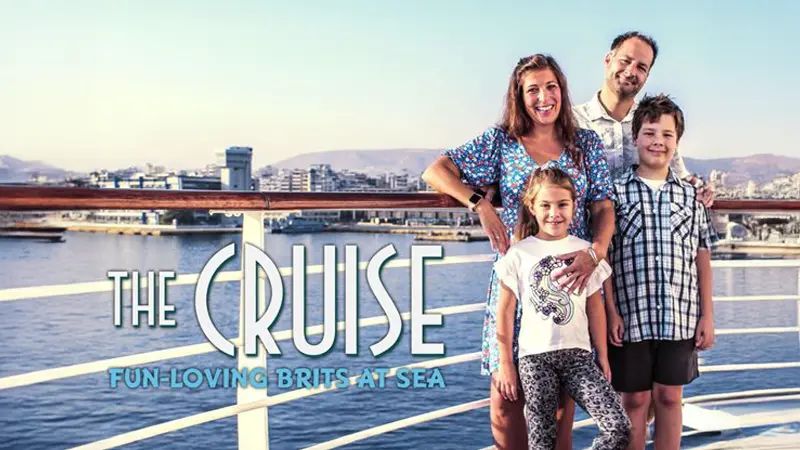
The Cruise: Fun Loving Brits at Sea
Channel 5 – Title Role
Grade & Online

Bargain-Loving Brits in the Sun
Channel 5 – Blakeway North
Online Editor (with dedicated Grade)
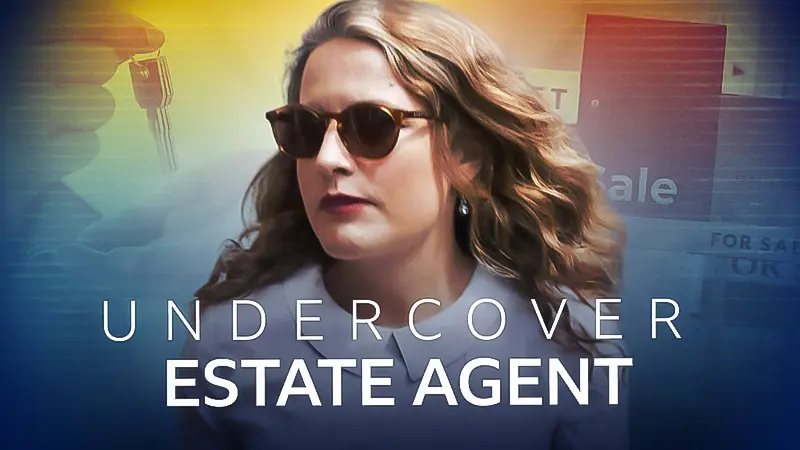
Panorama: Undercover Estate Agents
BBC1 – Nine Lives Media
Online Editor (with dedicated Grade)
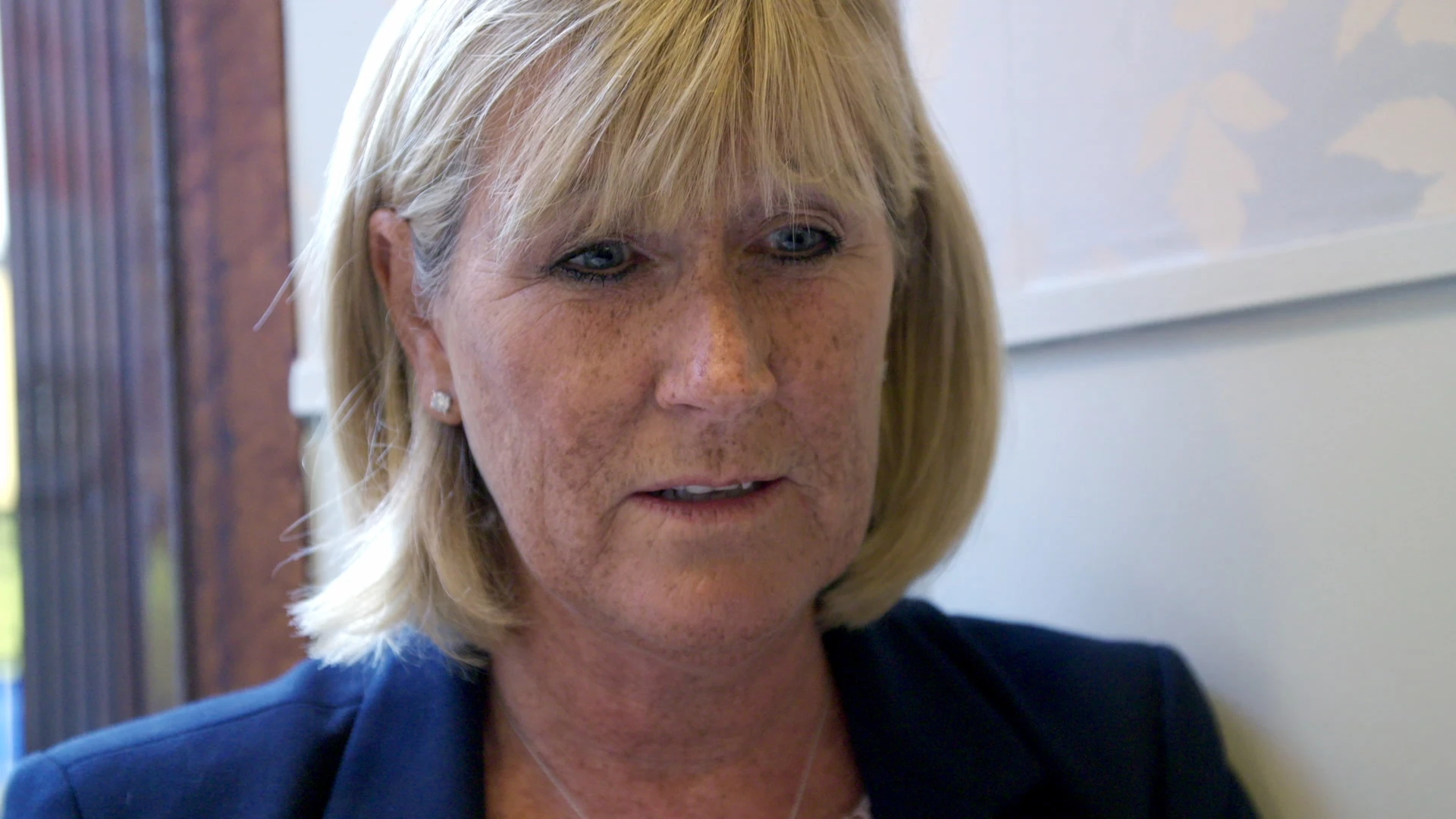
Dispatches: Skipping School: Invisible Kids
C4 – Nine Lives Media
Colourist
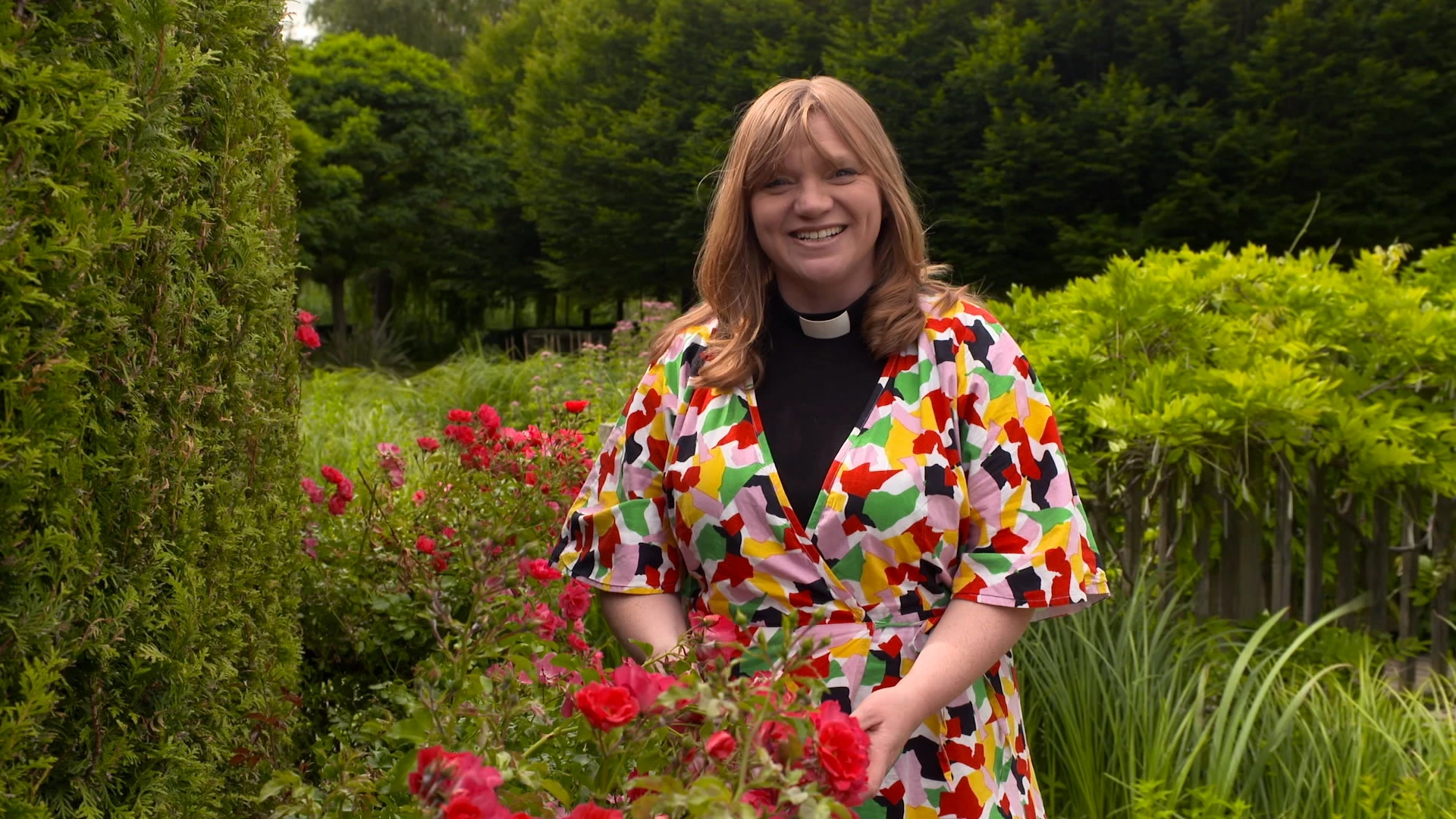
Songs Of Praise: Faith in Gardens Highlights
BBC1 – Avanti Post / Nine Lives Media
Online Editor (with dedicated Grade)
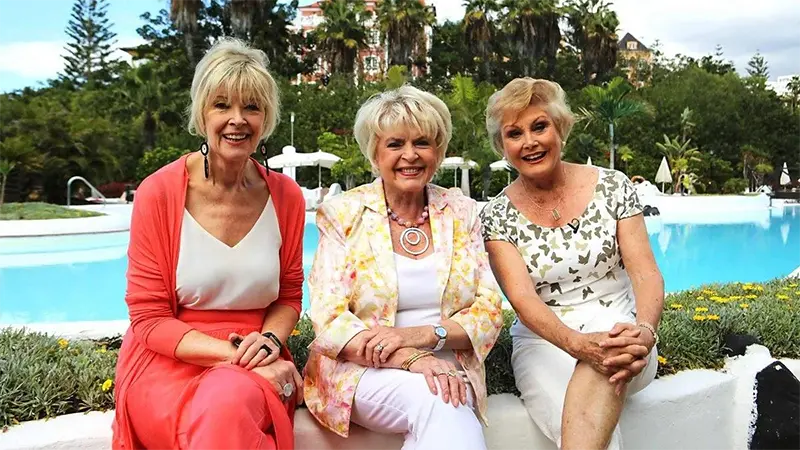
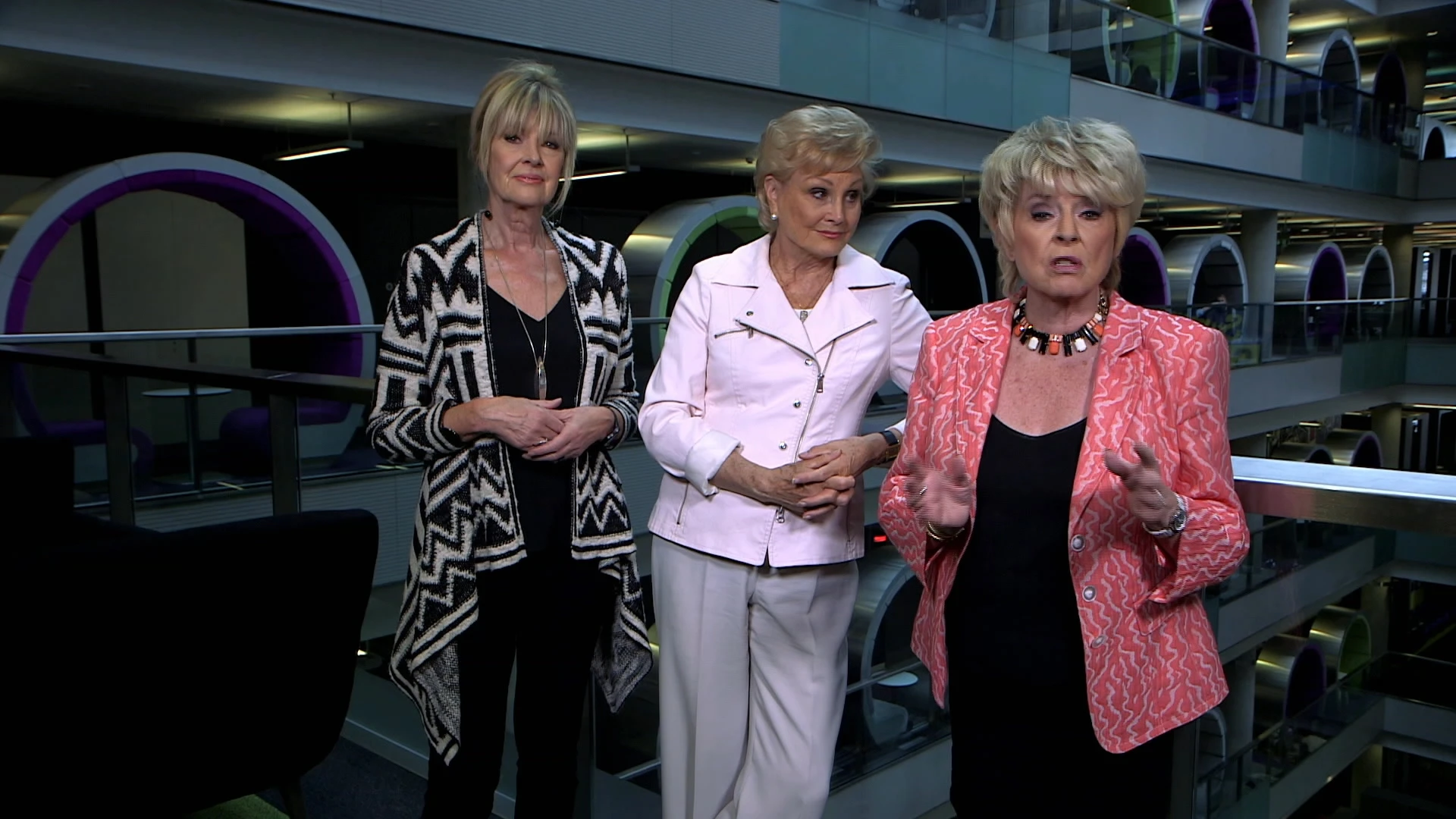
Rip Off Britain: Holidays
BBC1 – BBC Studios
Online Editor (with dedicated Grade)

Workflow, continuity and broadcast delivery
Broadcast grading needs to stay consistent across different locations, cameras, schedules and contributors. That often means balancing mixed footage quickly, protecting skin tones and programme identity, and making grading decisions that work at series level rather than just shot by shot.
The workflow also needs to respect the practical side of television post: shared review stages, clear notes, efficient approvals and a solid understanding of what has to be delivered at the end. Where online finishing and delivery sit close to grade, keeping those stages aligned reduces avoidable friction.
I work in DaVinci Resolve with broadcast-aware workflows for SDR and HDR, and can support productions that need grading to sit sensibly alongside conform, finishing and final output.
Remote and in-facility television workflows
Television post is often spread across facilities, edit suites and remote teams. A grading workflow needs to support that reality without becoming cumbersome.
Remote review can work well for many television projects when notes, approvals and outputs are handled clearly. If a production needs attended sessions, I can also work in facility. The goal in both cases is the same: keep the grade collaborative, controlled and appropriate to the delivery schedule.
Frequently asked questions about broadcast and television grading
What does a freelance broadcast colourist do?
A freelance broadcast colourist grades television content so it feels visually coherent, technically controlled and ready for delivery. That usually means balancing mixed footage, maintaining programme continuity, shaping the final look, and making sure the grade supports both editorial intent and the practical requirements of broadcast post.
Can you grade factual, documentary and entertainment TV projects?
Yes. Broadcast grading often spans different television formats rather than a single genre, and Liam's credits already cover current affairs, factual entertainment, documentary and returning TV work. The workflow changes slightly by format, but the core job stays the same: consistency, clarity and reliable finishing.
Can you keep a consistent look across episodes or mixed-camera footage?
Yes. That is a central part of television grading. Returning formats and mixed-camera shoots need the grade to stabilise differences in lighting, exposure and capture while still preserving a clear programme look across episodes, sequences and locations.
Do you work to broadcaster delivery requirements?
Yes. Exact requirements vary by broadcaster and deliverable, but television grading needs to sit comfortably inside a delivery-aware workflow rather than being treated as an isolated creative stage. That includes agreeing output requirements early and keeping grading, finishing and delivery preparation aligned.
Can broadcast projects be graded remotely?
Yes. Remote review is often practical for television post when teams are distributed across locations. Liam supports remote and in-facility workflows from Manchester, with review and approval stages designed to keep productions moving without losing control of continuity or final output.
Showreels
Scripted and unscripted examples of my work.
People I’ve worked with say
Words people use when talking about Liam
“I trust his creativity with colour, light and texture and am always excited to see how he interprets the stories I’ve directed.”
I’m blessed to have worked for many years with Liam on CBBC’s So Awkward. When it came to making a film, Liam was one of the first people I contacted. I trust his creativity with colour, light and texture and am always excited to see how he interprets the stories I’ve directed.
A creative, expressive perfectionist — a northern soul I’ll never stop working with.
“Working with Liam means you’re working with someone self-motivated who takes ownership of a project with a high degree of professional pride.”
… He is one of the most conscientious people I have worked with in TV.
As both editor and colourist you are getting someone at the top of their game. He’ll take direction and suggestions, but also contributes confidently with ideas that best serve the project.
His great knowledge of software and technical background gives you security if a project crashes without resorting to panic. His intuitive sense of pacing — especially cutting to music and narrative — makes him a pleasure to collaborate with.
“Liam doesn’t just improve your film… he transforms it.”
Liam Shanagher is, without question, one of the finest colourists I’ve ever worked with. His understanding of colour science isn’t just technical — it’s artistic. He shapes tone, texture, and emotion with an effortlessness that comes from deep craft.
His attention to detail is extraordinary. He never stops at ‘good enough’ and elevates every frame to its cinematic potential.
Liam has become an integral part of my creative crew. My films’ global recognition — including Stationheads winning over 100 international awards and DCKS* taking Best Comedy Feature at Kevin Smith’s Smodcastle Film Festival — simply wouldn’t have happened without his grading.
Working with Liam doesn’t just improve your film… it transforms it.
“Liam saved the day — with patience, brilliance, and an artistic eye that brought our film to life.”
Let’s just come right out and say it: Liam is a genius. We had a zero-budget feature that was full of visual problems, and for a very reasonable fee, Liam saved the day.
His patience, skill, artistic brilliance, and authenticity solved issues we thought were impossible. He went far beyond expectations — reviewing the film multiple times on his own initiative and refining it again and again.
I would recommend Liam to anyone. He’s a joy to collaborate with — kind, funny, and dedicated to making your visuals beautiful.
“Liam is not only a kick ass colourist, but his superpower is that he is phenomenally calm and patient.”
I love working with Liam! I always look forward to it... it means we’re FINALLY near the God damn end of the laborious task of getting through post production!
Liam is not only a kick ass colourist, but his superpower is that he is phenomenally calm and patient, making him the perfect post production therapist... ahem!...I mean colourist!
To date, Liam has now colour graded three of my films, with each film having very different requirements, and in each instance Liam has been completely unphased. His versatility means there is no one else I’d trust to do the tinkering and fine tuning that a film needs to truly bring it to life.