
Remote Colour Grading & Finishing by Liam Shanagher
I support remote colour grading and finishing for productions that need a practical review workflow without losing control of quality, approvals or final delivery.
Built for productions that need flexible post workflows, clear remote approvals and a finishing process that can adapt without becoming messy.
That includes broadcast, documentary, branded and online projects where teams are spread across locations, schedules are tight, or the production simply does not need everyone in the same room for the entire finishing stage.
Based in Manchester, I work remotely and in facility, with workflows built around clear review stages, dependable communication and the option to move into attended sessions where a project benefits from it.
What remote workflow and finishing covers
- Remote colour grading and finishing workflows for distributed teams
- Structured review stages, notes handling and approval management
- Hybrid workflows that can move between remote and in-facility attendance
- Remote support for projects that still need controlled delivery preparation
- Practical collaboration for broadcasters, producers, agencies and post teams
Selected credits for remote and flexible workflows
These credits show Liam working across projects where practical collaboration, flexible review and calm handling of finishing matter just as much as the grade itself. The value here is not that the work is remote for its own sake, but that the workflow remains clear and dependable under real production conditions.
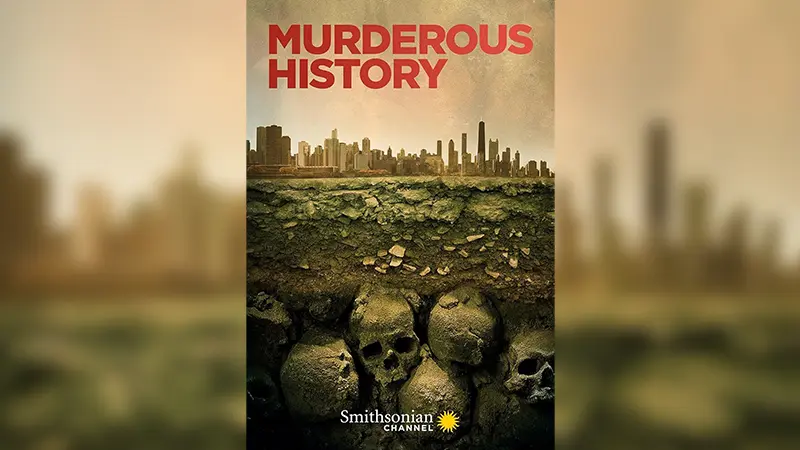
Murderous History
Smithsonian Channel – Warehouse 51 Productions
Colourist

The 70s: Everything We Loved and Lost
Channel 5 – Salamanda Media
Grade & Online

What Would Julie Do?
Cinema – Polari Creative
Colourist

MTV Greatest Cribs Ever
MTV – Viacom / MTV
Online Editor
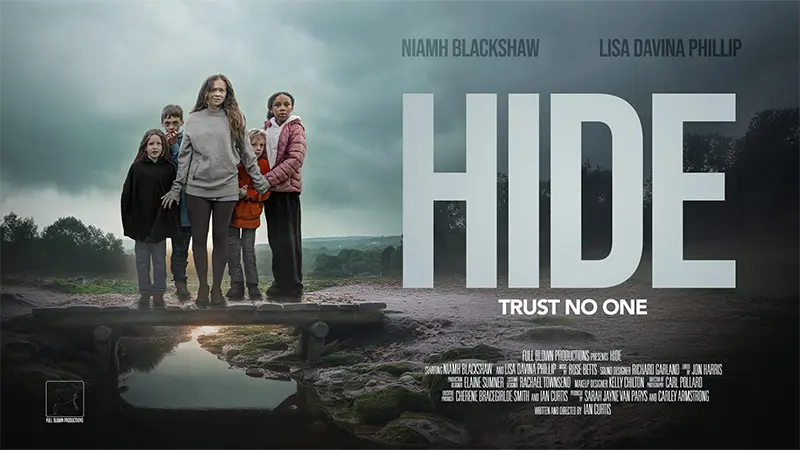
Hide
Cinema – Full Blown Productions
Colourist
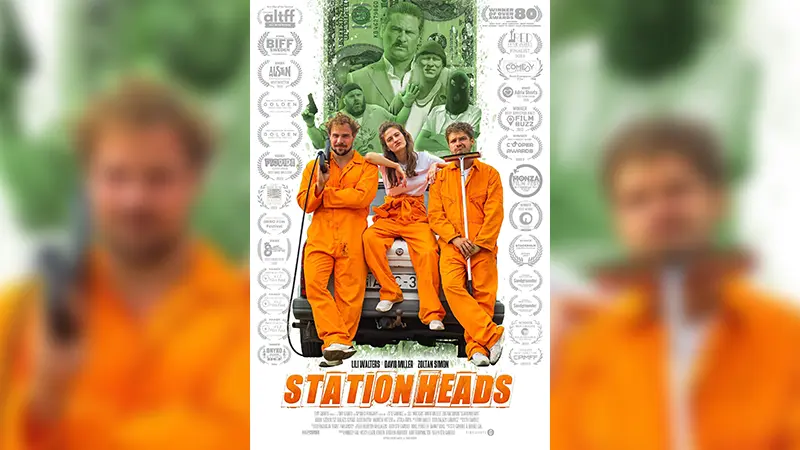
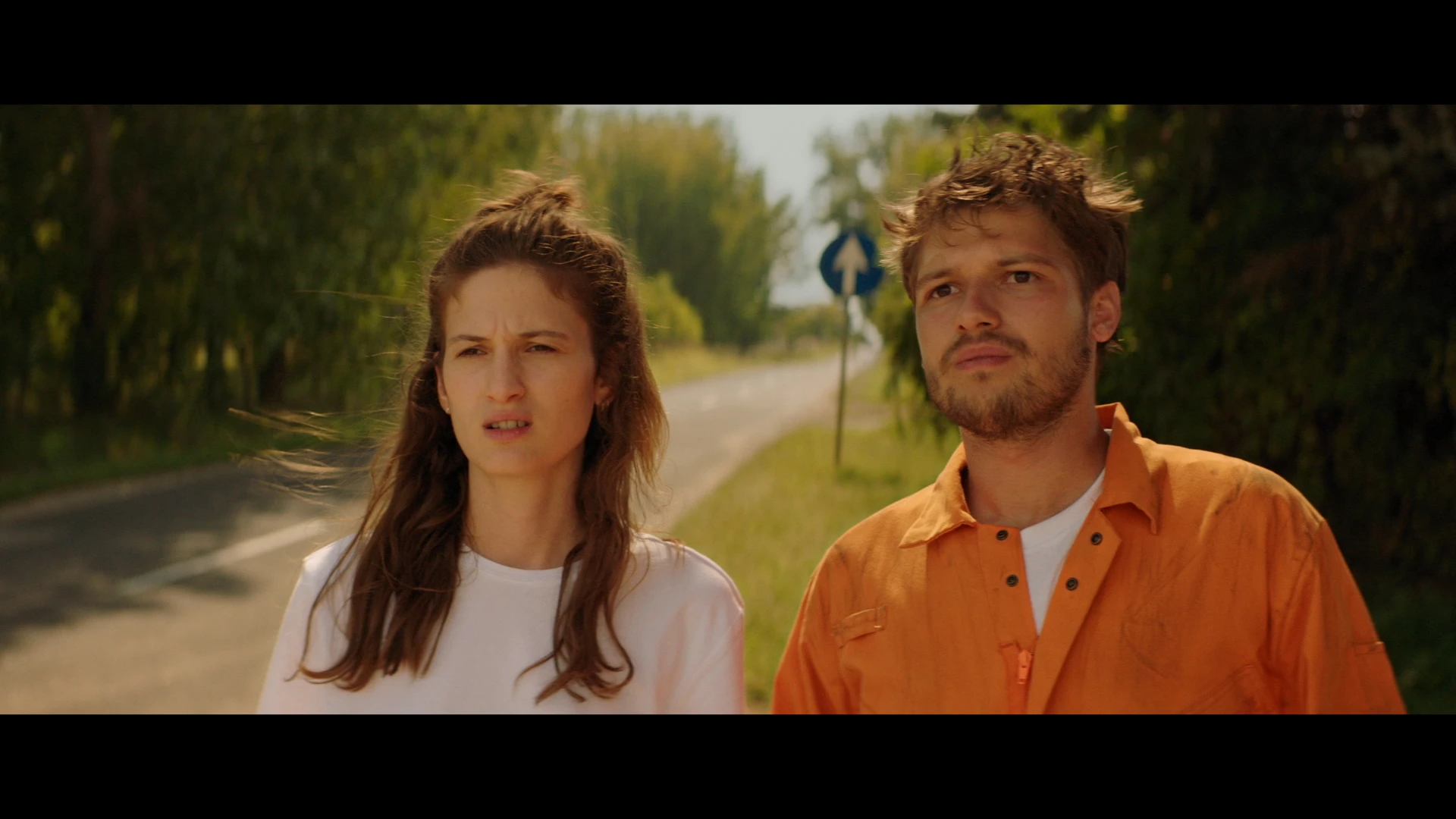
Stationheads
Cinema – Tiny Giants
Colourist
Greatest 80s and 90s Pop Videos
C5 – Viacom
Colourist



Review, collaboration and hybrid finishing
A useful remote workflow is not just a video call around a grade. It needs clear references, manageable review rounds, organised notes and an agreed process for what gets approved when. Without that, remote finishing can become slower rather than faster.
The aim is to give productions enough flexibility to review work from different locations without losing control of consistency, timeline changes or final deliverables. That can work for grading alone, or as part of a wider finishing workflow that also includes online editing and delivery preparation.
Where a project needs a hybrid setup, I can also support a mixed approach: remote review during the main process, followed by in-facility attendance for final sign-off if that is the most sensible option.
How remote workflows work in practice
Remote workflows are often the right fit when post teams, clients or contributors are in different places, but they still need to make decisions efficiently. The key is building the process around clarity rather than trying to replicate every part of an attended suite session.
If the project needs to shift between remote and in-facility working, that can be handled as part of the plan. The goal is flexibility without losing momentum, communication or technical control.
Frequently asked questions about remote colour grading and finishing
How does remote colour grading or finishing work?
Remote colour grading or finishing works best when the review process is structured clearly. That usually means agreed reference files, organised versions, defined approval points and a clear route for notes, rather than relying on informal feedback scattered across different channels.
Can clients review work without being in the suite?
Yes. Many projects can be reviewed effectively without everyone attending in person, provided the workflow is set up properly and the review material is appropriate to the decisions being made. Liam supports remote approvals as part of both grading and finishing workflows.
Do remote workflows still work for broadcast delivery?
Yes, if delivery requirements are agreed properly and the workflow is handled in a controlled way. Remote review does not remove the need for a delivery-aware process; it simply changes how the creative and approval stages are managed.
What is the difference between remote and attended sessions?
Attended sessions put everyone in the same physical space for review, while remote workflows are built around supplied references, online review and staged approvals. One is not automatically better than the other; the right approach depends on the project, the stakeholders and the schedule.
Can you switch between remote and in-facility finishing if a project needs it?
Yes. Some productions benefit from a hybrid approach, with remote review through most of the process and in-facility attendance for a later approval stage. Liam supports both ways of working from Manchester, depending on what is most practical for the job.
Showreels
Scripted and unscripted examples of my work.
People I’ve worked with say
Words people use when talking about Liam
“I trust his creativity with colour, light and texture and am always excited to see how he interprets the stories I’ve directed.”
I’m blessed to have worked for many years with Liam on CBBC’s So Awkward. When it came to making a film, Liam was one of the first people I contacted. I trust his creativity with colour, light and texture and am always excited to see how he interprets the stories I’ve directed.
A creative, expressive perfectionist — a northern soul I’ll never stop working with.
“Working with Liam means you’re working with someone self-motivated who takes ownership of a project with a high degree of professional pride.”
… He is one of the most conscientious people I have worked with in TV.
As both editor and colourist you are getting someone at the top of their game. He’ll take direction and suggestions, but also contributes confidently with ideas that best serve the project.
His great knowledge of software and technical background gives you security if a project crashes without resorting to panic. His intuitive sense of pacing — especially cutting to music and narrative — makes him a pleasure to collaborate with.
“Liam doesn’t just improve your film… he transforms it.”
Liam Shanagher is, without question, one of the finest colourists I’ve ever worked with. His understanding of colour science isn’t just technical — it’s artistic. He shapes tone, texture, and emotion with an effortlessness that comes from deep craft.
His attention to detail is extraordinary. He never stops at ‘good enough’ and elevates every frame to its cinematic potential.
Liam has become an integral part of my creative crew. My films’ global recognition — including Stationheads winning over 100 international awards and DCKS* taking Best Comedy Feature at Kevin Smith’s Smodcastle Film Festival — simply wouldn’t have happened without his grading.
Working with Liam doesn’t just improve your film… it transforms it.
“Liam saved the day — with patience, brilliance, and an artistic eye that brought our film to life.”
Let’s just come right out and say it: Liam is a genius. We had a zero-budget feature that was full of visual problems, and for a very reasonable fee, Liam saved the day.
His patience, skill, artistic brilliance, and authenticity solved issues we thought were impossible. He went far beyond expectations — reviewing the film multiple times on his own initiative and refining it again and again.
I would recommend Liam to anyone. He’s a joy to collaborate with — kind, funny, and dedicated to making your visuals beautiful.
“Liam is not only a kick ass colourist, but his superpower is that he is phenomenally calm and patient.”
I love working with Liam! I always look forward to it... it means we’re FINALLY near the God damn end of the laborious task of getting through post production!
Liam is not only a kick ass colourist, but his superpower is that he is phenomenally calm and patient, making him the perfect post production therapist... ahem!...I mean colourist!
To date, Liam has now colour graded three of my films, with each film having very different requirements, and in each instance Liam has been completely unphased. His versatility means there is no one else I’d trust to do the tinkering and fine tuning that a film needs to truly bring it to life.